Table of contents
Unlimited access to AI tools is transforming the way creativity is expressed, explored, and expanded across the globe. As these advanced technologies become more widely available, creative boundaries are being redefined, offering opportunities and challenges never seen before. Delve into the following sections to see how the future of creativity is being shaped, and why understanding these shifts is vital for anyone involved in the creative process.
Democratizing creative opportunities
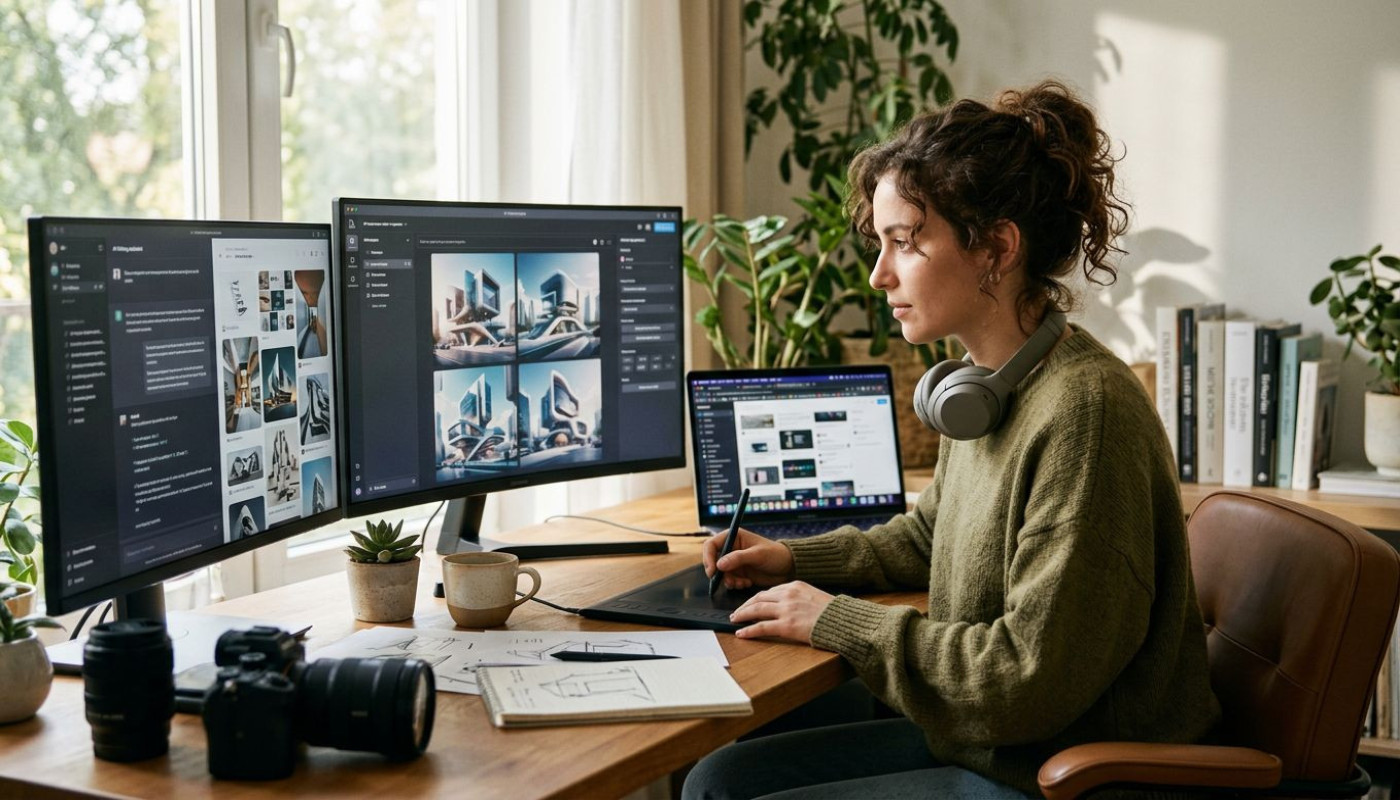
Unrestricted access to generative AI is fueling the democratization of creativity by making advanced, AI-powered art and content creation tools accessible to a global audience. Where once creative pursuits were limited by cost, education, or geographic location, accessible technology now ensures that anyone with an internet connection can explore their creative potential. This shift enables individuals from vastly different backgrounds to participate in the arts, regardless of prior expertise. Generative AI models allow users to produce paintings, music, literature, and even complex design projects without formal training, lowering the entry barrier that traditional creative disciplines often impose.
Creative inclusion is further amplified as these tools adapt to user input, supporting experimentation and personal expression. New creative voices emerge daily, leveraging the capabilities of generative AI to tell stories or craft visual experiences that reflect unique perspectives and cultures. This widespread empowerment not only democratizes the creative process but also diversifies the global creative landscape, bringing forth innovations and artistic expressions that might have previously gone unheard or unseen.
The use of AI-powered art platforms and generative models has redefined the boundaries of what is possible in both individual and collaborative creative projects. By equipping users with intuitive interfaces and smart algorithms, these platforms foster a space where creativity is no longer confined to the few but shared by the many. The ongoing evolution of accessible technology promises to sustain this trend, ensuring that the future of creativity is shaped by a truly inclusive and representative mix of creators.
Accelerating the creative process
AI automation is rapidly transforming the creative workflow by streamlining tasks that once required extensive manual effort. Unlimited access to advanced AI tools empowers creators to accelerate brainstorming sessions, quickly generating an expansive range of concepts and variations. With machine learning algorithms analyzing past successes, creators receive intelligent suggestions that refine raw ideas and enable rapid prototyping across fields like design, music, and writing. This acceleration of innovation allows for continuous iteration, as creators can test and modify their work in real-time, dramatically boosting creative productivity. As industries increasingly adopt AI-driven solutions, teams are able to focus energy on high-level creative decisions while routine processes are managed by automation, reshaping the landscape of creative industries and setting new standards for speed and originality in project development.
Enhancing collaboration and co-creation
Unlimited access to AI tools is revolutionizing collaborative creativity by enabling seamless interaction between humans and advanced neural networks. This dynamic partnership supports AI collaboration not only within a single discipline but also across diverse creative fields, fueling unprecedented interdisciplinary innovation. Through co-creation tools powered by sophisticated algorithms, artists, designers, engineers, and strategists can now collaborate in real time, regardless of geographical barriers. These AI-powered platforms break down traditional silos, allowing creative teamwork to flourish with instant feedback, automated idea generation, and the integration of varied perspectives that enrich project outcomes.
Remote teamwork has become increasingly effective as AI-driven environments facilitate the sharing and iterative refinement of concepts among global collaborators. Such platforms help bridge the gap between creative visions and technical execution, empowering teams to explore new frontiers in music, visual arts, literature, and digital design. The convergence of human intuition with neural network intelligence accelerates the development of original content, with AI acting as both a collaborator and an enhancer, suggesting novel combinations and refining outputs to professional standards. The result is a continuous cycle of learning and inspiration, where creative boundaries are constantly pushed.
In this rapidly evolving landscape, platforms such as go to these guys offer resources and networks that support the integration of AI into collaborative projects, connecting individuals and organizations eager to tap into these transformative possibilities. By offering access to AI-powered co-creation tools and fostering communities of practice, such hubs play an instrumental role in shaping the future of interdisciplinary creative teamwork.
Challenging originality and authorship
The rise of algorithmic creativity through AI tools has significantly redefined creative originality, prompting new debates on AI authorship and the boundaries of intellectual property. As AI-generated works proliferate, questions about authenticity in art and the meaning of true authorship become increasingly complex. Legal frameworks traditionally designed to protect human-created content now face copyright challenges, since many AI systems generate outputs based on existing datasets, blurring the distinction between original creation and derivative work. This evolving landscape forces reconsideration of what constitutes an original work and who, or what, can hold legitimate ownership over digital creations.
Stakeholders in creative industries must address whether AI-generated content possesses the same value or authenticity as human-made works, and if so, how to attribute and protect such output. The process of training AI involves learning from vast amounts of prior artistic material, raising ethical issues about source attribution and the rights of original creators. As algorithmic creativity continues to advance, the need emerges for comprehensive guidelines and adaptable legal definitions that reflect the realities of AI authorship, ensuring the interests of both human and machine contributors are fairly represented in intellectual property discourse.
Navigating ethical and societal impacts
Widespread access to advanced AI tools has brought AI ethics and creative responsibility to the forefront of innovation. As these technologies become deeply embedded in creative industries, the societal impact of AI grows, raising questions about the ethical guidelines that govern their use. One pressing concern is algorithmic bias, where AI-generated content can inadvertently reinforce or amplify existing prejudices, shaping public perception in unintended ways. Misinformation generated by AI-powered platforms poses another significant risk, with the potential to rapidly spread inaccuracies or fabricated narratives. Creators leveraging these tools must recognize their pivotal role in ensuring responsible innovation, carefully curating outputs and incorporating measures to detect and mitigate bias. Ongoing oversight, transparent methodologies, and the establishment of robust ethical guidelines are essential steps in promoting accountability and safeguarding against the adverse societal effects that may emerge as AI creativity continues to evolve.
Similar articles
The Future Of AI Chatbots: Trends And Predictions For The Next Decade
How Automated Tools Revolutionize Kubernetes Cluster Management?

How Integrating Chatbots With CRM Systems Revolutionizes Customer Interactions

How Multi-Channel Chatbots Transform User Engagement And Support

Exploring The Benefits Of Free AI Chatbots For Instant Communication

Exploring The Impact Of AI On Creative Industries Through Image Generation

AI Role in Software Development: Rise of the Machines

Unlocking the Potential of Augmented Reality Software
